Document Database Community
  • Home
  • About
  • Events
  • Blog
  • Contact
Select Page
Comparing CosmosDB, DocumentDB, MongoDB, and FerretDB as Document Database for Your Stack

Comparing CosmosDB, DocumentDB, MongoDB, and FerretDB as Document Database for Your Stack

by David Murphy | Jun 15, 2023 | Technologies

Comparing CosmosDB, DocumentDB, MongoDB, and FerretDB as Document Database for Your Stack David Murphy  Reading Time: 15 minutes The topic I’m discussing today is the document databases benefits and use cases for various technologies. It’s important to...
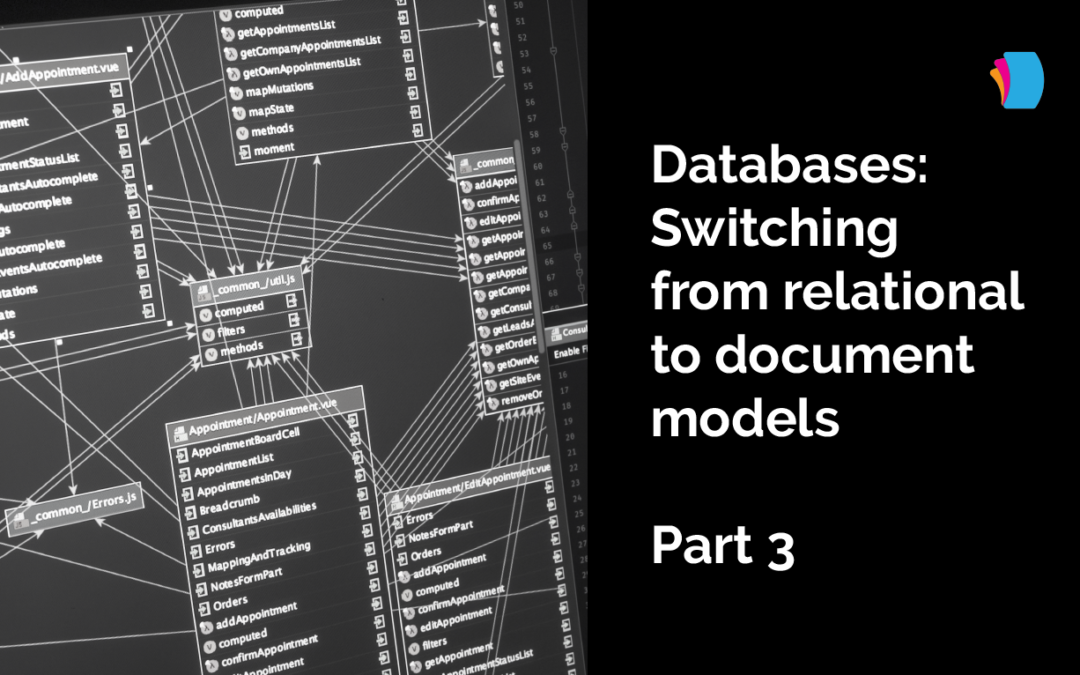
Databases: Switching from relational to document models, Part 3

Databases: Switching from relational to document models, Part 3

by Adamo Tonete | Apr 26, 2023 | Technologies

Databases: Switching from relational to document models, Part 3 Adamo Tonete  Reading Time: 4 minutes This is a three-part blog series. Part one is located here, and part two can be found here. Migration to Document-Oriented Databases There are various reasons why...
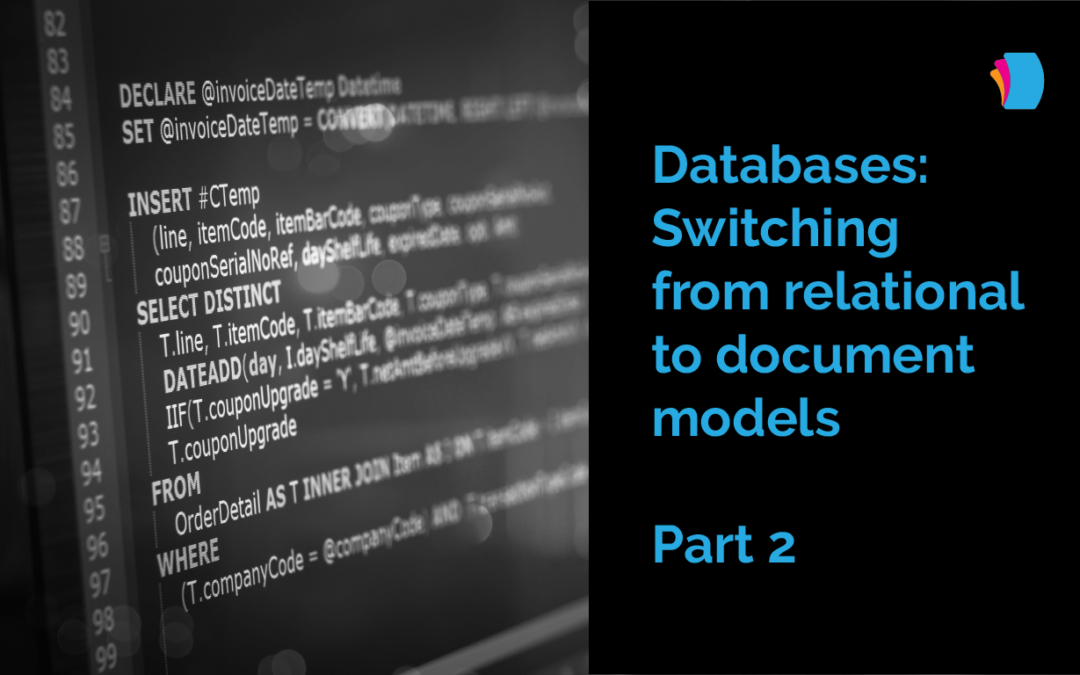
Databases: Switching from relational to document models, Part 2

Databases: Switching from relational to document models, Part 2

by Adamo Tonete | Apr 26, 2023 | Technologies

Databases: Switching from relational to document models, Part 2 Adamo Tonete  Reading Time: 7 minutes This is a three-part blog series. Part one is located here, and part three can be found here. In this part, we will discuss document databases, also known as...
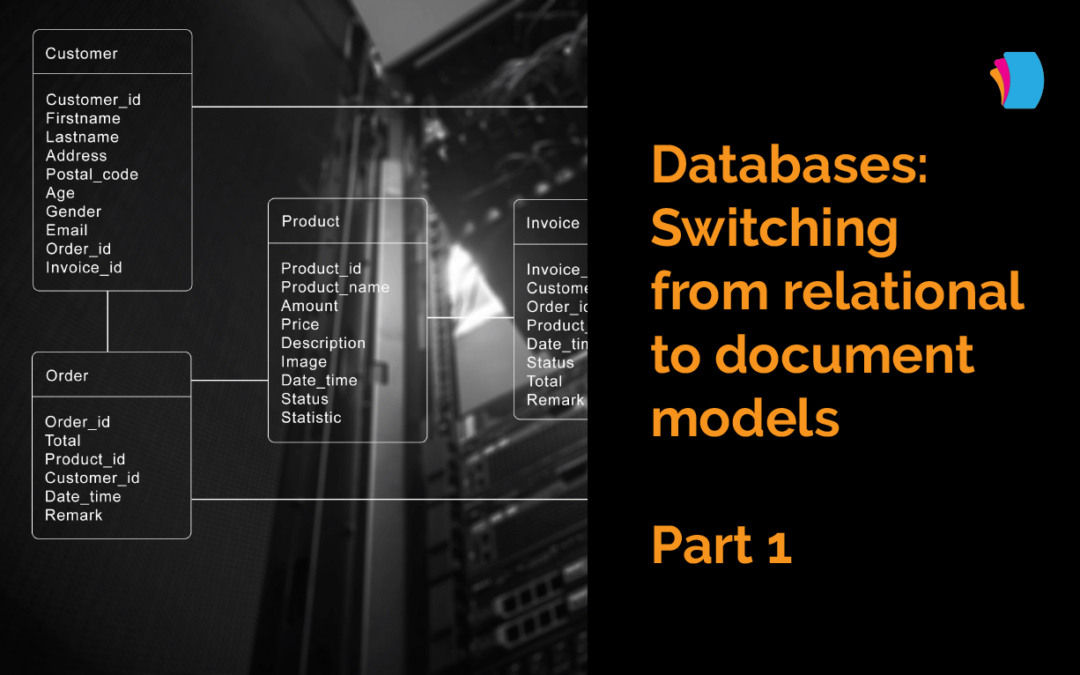
Databases: Switching from relational to document models, Part 1

Databases: Switching from relational to document models, Part 1

by Adamo Tonete | Apr 26, 2023 | Technologies

Databases: Switching from relational to document models, Part 1 Adamo Tonete  Reading Time: 5 minutes This is a three-part blog series. Part two is located here, and part three can be found here. In this blog, we will review relational databases and compare the idea...

Recent Posts

  • JSON in PostgreSQL – A Developer’s Perspective
  • Comparing CosmosDB, DocumentDB, MongoDB, and FerretDB as Document Database for Your Stack
  • Open Standards, Licensing, and Open Source – Lessons for the Document Database Community from Microsoft’s Move to Open Source
  • Databases: Switching from relational to document models, Part 3
  • Databases: Switching from relational to document models, Part 2

Recent Comments

No comments to show.

Archives

  • June 2023
  • April 2023

Categories

  • Technologies
  • Uncategorized
  • Facebook
  • Twitter
  • Tumblr
  • Google
  • Instagram
  • Pinterest
  • Dribbble
  • Vimeo
  • Linkedin
  • Myspace
  • Skype
  • Youtube
  • Flickr
  • RSS

Designed by Elegant Themes | Powered by WordPress

Manage Cookie Consent
To provide the best experiences, we use technologies like cookies to store and/or access device information. Consenting to these technologies will allow us to process data such as browsing behavior or unique IDs on this site. Not consenting or withdrawing consent, may adversely affect certain features and functions.
Functional Always active
The technical storage or access is strictly necessary for the legitimate purpose of enabling the use of a specific service explicitly requested by the subscriber or user, or for the sole purpose of carrying out the transmission of a communication over an electronic communications network.
Preferences
The technical storage or access is necessary for the legitimate purpose of storing preferences that are not requested by the subscriber or user.
Statistics
The technical storage or access that is used exclusively for statistical purposes. The technical storage or access that is used exclusively for anonymous statistical purposes. Without a subpoena, voluntary compliance on the part of your Internet Service Provider, or additional records from a third party, information stored or retrieved for this purpose alone cannot usually be used to identify you.
Marketing
The technical storage or access is required to create user profiles to send advertising, or to track the user on a website or across several websites for similar marketing purposes.
Manage options Manage services Manage vendors Read more about these purposes
View preferences
{title} {title} {title}